What Is 925 Sterling Silver? The Complete Guide
Last updated: June 2026
You've probably seen ".925" stamped inside a ring or on a necklace tag and wondered what it actually means. It's one of the most common markings in fine jewelry, and understanding it helps you shop smarter and avoid getting fooled by lower-quality imitations.
In this guide, you'll learn:
- What the "925" stamp actually means
- How sterling silver differs from pure silver and silver-plated pieces
- Whether sterling silver is hypoallergenic
- How to spot real 925 sterling silver before you buy
Jump to: What 925 Means · Pure vs Sterling · Plated vs Solid · Hypoallergenic? · Spotting Real Silver · FAQ
What Does "925" Actually Mean?
The number 925 refers to the purity of the silver used — specifically, that the piece is made from 92.5% pure silver. The remaining 7.5% is typically copper, added because pure silver on its own is too soft to hold a shape or withstand daily wear. This 92.5/7.5 ratio is the internationally recognized standard for "sterling silver," which is why you'll see the same "925" stamp on jewelry from almost anywhere in the world.
Sterling Silver vs. Pure (Fine) Silver
Pure silver, sometimes called "fine silver," is 99.9% silver. It has a beautiful soft shine, but that same softness makes it prone to bending, scratching, and losing its shape with regular wear. Sterling silver solves this by alloying in just enough copper to add strength and structure while keeping almost all of the silver's brilliance and shine. For wearable jewelry — rings, bracelets, earrings — sterling silver is almost always the better practical choice.
Sterling Silver vs. Silver-Plated and Silver-Filled
This is where a lot of buyers get confused, so it's worth breaking down clearly:
| Type | What It Means | Longevity |
|---|---|---|
| 925 Sterling Silver | Solid metal, 92.5% silver throughout | Lifetime with care |
| Silver-Filled | Thick bonded layer of silver over base metal | Years, doesn't flake |
| Silver-Plated | Thin coating of silver over base metal | Coating can wear off over months |
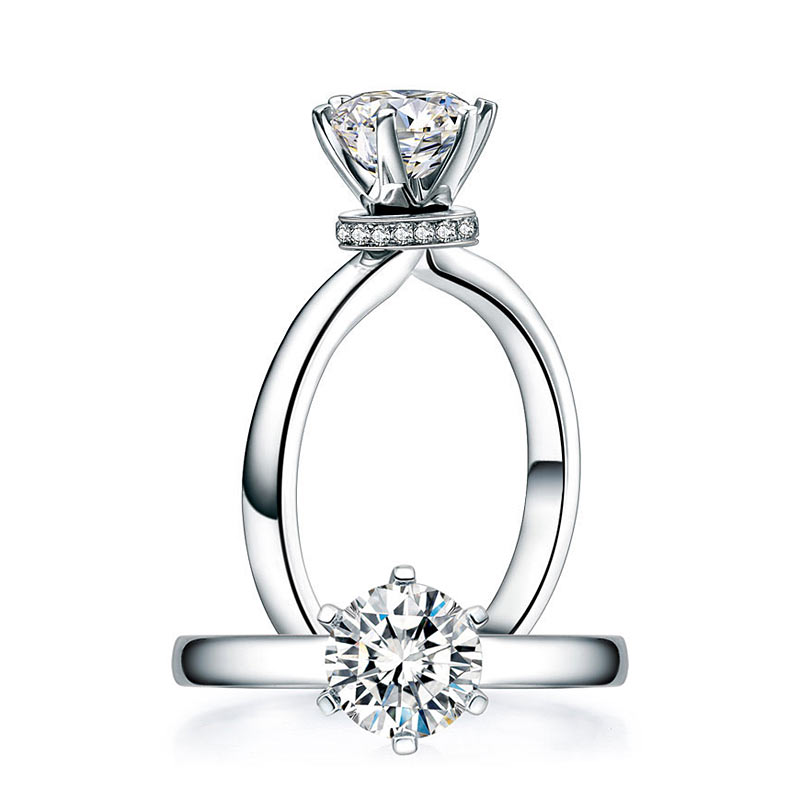
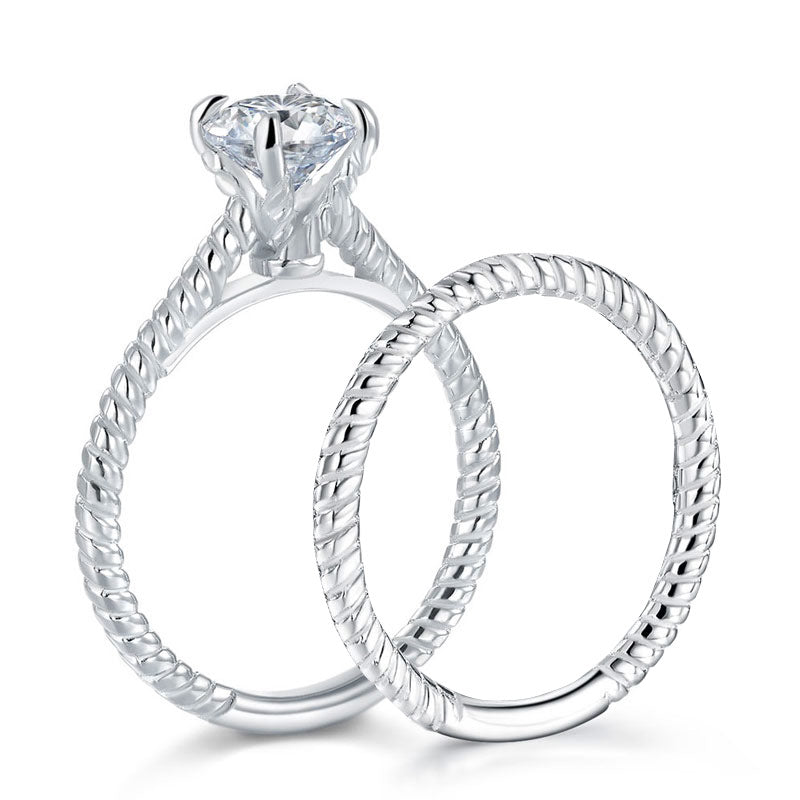
Solid 925 sterling silver is the most durable option since the silver content runs all the way through the piece rather than sitting as a surface layer. This is the standard we use across SelinJewels' rings, earrings, necklaces, and bracelets.
Is Sterling Silver Hypoallergenic?
Sterling silver is generally well-tolerated by people with sensitive skin, but it's not 100% hypoallergenic for everyone. The copper content can occasionally cause a reaction in people with a specific copper sensitivity, though this is far less common than reactions to nickel, which sterling silver does not contain. If you've had reactions to costume jewelry in the past, sterling silver is usually a safe step up.
How to Spot Real 925 Sterling Silver

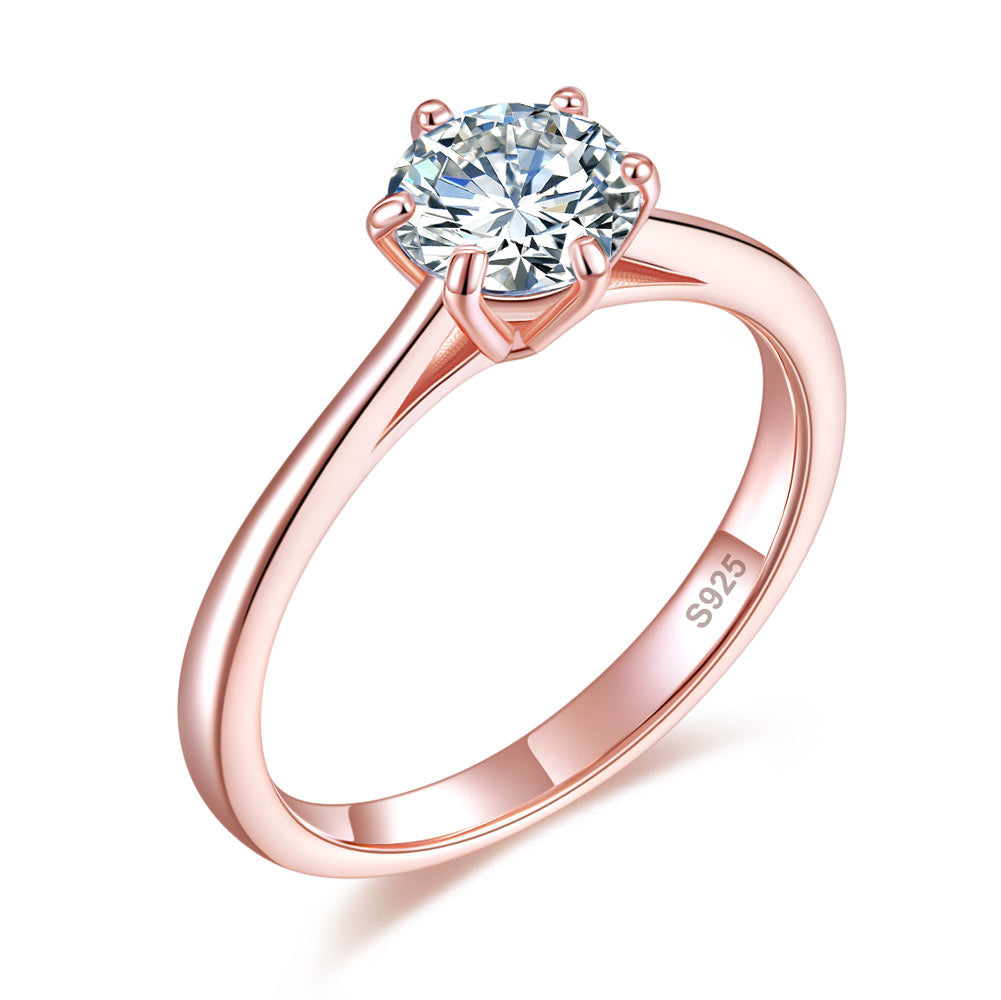
- Check for a hallmark: Genuine pieces are almost always stamped "925," "S925," or "Sterling."
- Look at the color: Real sterling silver has a bright white-grey tone, not a dull or yellowish cast.
- Smell test: Pure sterling silver shouldn't have a strong metallic smell. A strong odor often signals a lower-quality base metal underneath a thin plating.
- Tarnish test: Sterling silver does tarnish slightly over time (that's normal), but it should clean up easily with a soft cloth. Plated pieces often show the base metal color underneath once the coating starts to wear.
- Weight: Sterling silver has a noticeable weight to it compared to lightweight costume jewelry of the same size.
Pros and Cons of Sterling Silver Jewelry
| Pros | Cons |
|---|---|
| Affordable compared to gold or platinum | Will tarnish over time without care |
| Bright, versatile white-metal tone | Softer than platinum, can scratch with heavy wear |
| Generally safe for sensitive skin | Needs occasional polishing to stay bright |
| Durable enough for daily wear | Not ideal for swimming or showering |
Frequently Asked Questions
Does sterling silver rust?
No, silver doesn't rust since rust is specific to iron. Sterling silver tarnishes instead, which is a different chemical reaction and is easy to clean off with basic care.
Can I shower with sterling silver jewelry on?
It's best to remove it first. Soap and water exposure speeds up tarnishing over time, even though a single shower won't ruin a piece.
Is sterling silver worth buying?
Yes, for most everyday and special-occasion jewelry, sterling silver offers an excellent balance of durability, affordability, and shine compared to gold or platinum.
How long does sterling silver jewelry last?
With basic care — proper storage and occasional cleaning — solid 925 sterling silver jewelry can realistically last a lifetime.
Is 925 silver the same as "real" silver?
Yes. 925 sterling silver is real silver, just alloyed with a small amount of copper for strength. It's the industry standard for silver jewelry worldwide, not a lesser substitute.
Now that you know what to look for, browse our sterling silver rings, necklaces, and moissanite collection — all crafted in solid 925 sterling silver. Want to know how to keep it looking brilliant? Check out our complete jewelry care guide.