Article: Moissanite vs. Diamond: Why Sterling Silver Moissanite Jewelry Is the Smart Choice in 2026
Moissanite vs. Diamond: Why Sterling Silver Moissanite Jewelry Is the Smart Choice in 2026
Last updated: June 2026
If you've been scrolling through jewelry shops lately, you've probably noticed one word popping up everywhere: moissanite. It's not a trend that's fading — it's quickly becoming the go-to choice for anyone who wants the brilliance of a diamond without the diamond-sized price tag.
At SelinJewels, almost every piece in our moissanite collection is built around two materials: 925 sterling silver and moissanite stones. This guide covers everything you need to know before you buy.
In this guide, you'll learn:
- What moissanite actually is and how it compares to diamond
- Common myths about moissanite — busted
- Who moissanite jewelry is best suited for
- How to choose the right cut, carat, and setting
- How to keep it looking brilliant for years
Jump to: What Is Moissanite · Moissanite vs Diamond · Common Myths · Who It's For · How to Choose · FAQ
What Exactly Is Moissanite?
Moissanite is a naturally occurring mineral (silicon carbide) that's now lab-created for jewelry use. It was actually discovered in a meteor crater back in 1893, which already makes it more interesting than most gemstones on the market.
The reason people compare it constantly to diamonds is simple: moissanite has even more fire and brilliance than a diamond. Diamonds have a refractive index of 2.42 — moissanite sits at 2.65–2.69. In plain English: moissanite sparkles more than a diamond does, especially under direct light.
Moissanite vs. Diamond: The Real Differences
| Factor | Diamond | Moissanite |
|---|---|---|
| Origin | Mined (or lab-grown) | Lab-created |
| Hardness (Mohs scale) | 10 | 9.25 |
| Brilliance / Sparkle | High | Higher |
| Average price per carat | $2,000–$15,000+ | $300–$600 |
| Ethical sourcing concerns | Sometimes (mined) | Lab-created, conflict-free |
| Durability for daily wear | Excellent | Excellent |
Moissanite isn't "fake diamond" — it's its own gemstone with its own identity. It just happens to outperform diamonds in sparkle while costing a fraction of the price.
Common Myths About Moissanite — Busted
Myth: "Moissanite is just a fake diamond."
Reality: Moissanite is its own mineral with a different crystal structure from diamond. It's not trying to imitate anything — it has its own name, its own properties, and its own loyal following.
Myth: "Moissanite turns yellow over time."
Reality: Older moissanite (pre-2015 or so) sometimes had a slight warmth to its color, but modern colorless-grade moissanite is treated for color stability and won't yellow with normal wear.
Myth: "Any jeweler can spot it instantly."
Reality: Moissanite is actually an excellent thermal conductor, which means it passes most standard diamond testers. Telling it apart from diamond by eye usually requires specialized equipment, not a quick glance.
Myth: "It's low quality because it's affordable."
Reality: The price gap reflects production cost — lab-created vs. mined — not a difference in quality. A well-cut moissanite stone is every bit as brilliant and durable as its price tag suggests it shouldn't be.
Why Sterling Silver Is the Perfect Setting
A stone is only as good as what holds it. We set our moissanite in 925 sterling silver for a few reasons — see our complete guide to 925 sterling silver for the full breakdown:
- Hypoallergenic-friendly — great for sensitive skin
- Naturally bright white tone — it doesn't compete with the stone's brilliance the way yellow gold can
- Affordable luxury — you get a piece that looks (and photographs) like fine jewelry without the fine-jewelry price
- Long-lasting with simple care — a soft cloth and avoiding harsh chemicals keeps it shining for years
Who Is Moissanite Jewelry For?
 Moissanite jewelry tends to fit a few clear types of buyers:
- Brides-to-be who want a stunning moissanite engagement ring without draining their savings
- Anyone building an "everyday luxury" jewelry collection — pieces you actually wear, not just save for special occasions
- Gift-givers who want something that looks expensive without the panic-inducing price — see our full jewelry gift guide
- Jewelry lovers who care about ethical, conflict-free sourcing


How to Choose the Right Moissanite Piece
Cut Shape
Round brilliant cuts throw the most fire and are the most popular choice for engagement rings. Oval and pear cuts elongate the finger and tend to look larger per carat. Princess and emerald cuts give a more geometric, modern look with slightly less sparkle but more clean-lined elegance.
Carat Size
For everyday wear, 0.5–1 carat pieces strike a comfortable balance between noticeable sparkle and practicality. For engagement rings or statement pieces, 1–2 carats is the most popular range — large enough to make an impression without being impractical for daily life.
Setting Style
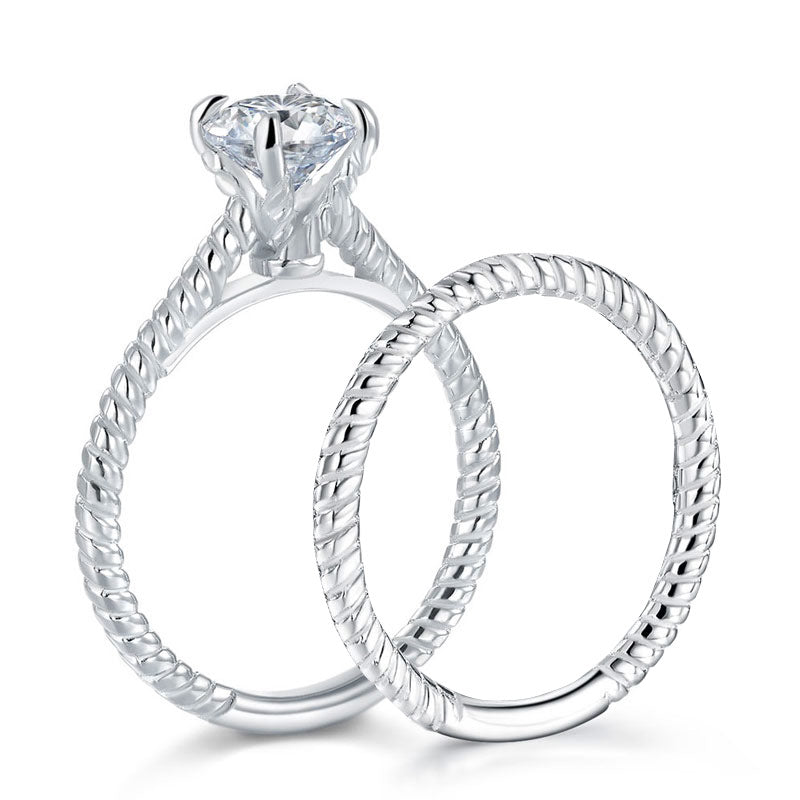
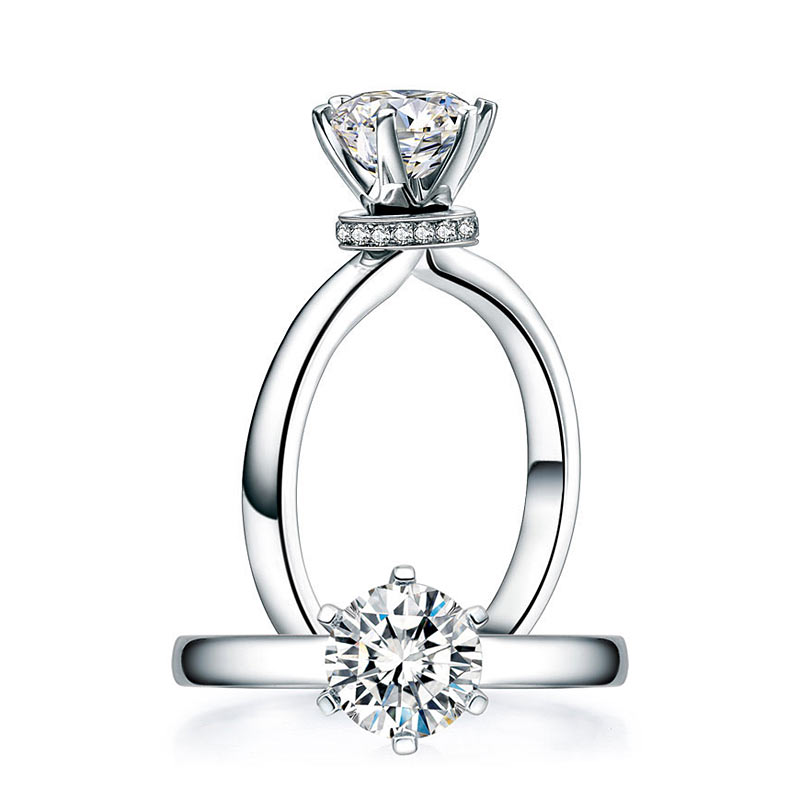
Prong settings (like our 6-claw engagement ring) maximize how much light reaches the stone, boosting brilliance. Bezel settings wrap metal around the stone's edge, offering more protection for active lifestyles at a slight cost to sparkle. For a full breakdown of settings, carat, and sizing, see our engagement ring buying guide.
Occasion
For engagements, a classic round or oval solitaire in a secure prong setting is the safest, most timeless choice. For gifts or everyday pieces, dancing-stone settings and smaller carats in bracelets or stud earrings offer brilliance without the formality of a ring.
Caring for Your Moissanite & Sterling Silver Pieces
- Store pieces separately in a soft pouch to avoid scratching
- Remove jewelry before swimming, showering, or applying perfume/lotion
- Clean gently with a microfiber cloth and mild soap solution
- Avoid direct contact with chlorine and harsh cleaning chemicals
With basic care, your moissanite jewelry will keep its sparkle for years to come. For a full breakdown — including a homemade cleaning solution and care tips by jewelry type — check out our complete jewelry care guide.
Frequently Asked Questions
Is moissanite a diamond?
No. Moissanite is silicon carbide, a completely different mineral from diamond (which is pure carbon). It's its own gemstone, not a diamond substitute or imitation.
Does moissanite pass a diamond tester?
Most standard thermal diamond testers will register moissanite as a diamond because both are excellent heat conductors. Specialized testers that also measure electrical conductivity can distinguish between the two.
How long does moissanite last?
Moissanite is rated 9.25 on the Mohs hardness scale, making it extremely durable for everyday wear. With basic care, a moissanite piece can realistically last a lifetime without losing its brilliance.
Is moissanite considered "real" jewelry, or is it fake?
Moissanite is a real, naturally occurring mineral (now lab-created for jewelry use). It's not fake — it's simply a different gemstone from diamond, with its own name and identity.
What's the price difference between moissanite and diamond?
Moissanite typically costs 80–90% less per carat than a comparable diamond, largely because it's lab-created rather than mined, which dramatically lowers production cost.
Can a jeweler tell the difference between moissanite and diamond?
With the naked eye, it's difficult even for experienced jewelers. Specialized equipment — not a standard diamond tester — is typically needed to confirm which stone is which.
Final Thoughts
Moissanite isn't a "diamond substitute" anymore — it's become its own category, chosen by people who want maximum brilliance without compromise. Paired with sterling silver, it's one of the smartest ways to build a jewelry collection that looks every bit as luxurious as it feels.
Ready to see it for yourself? Browse the full SelinJewels moissanite collection and find a piece that fits your style.